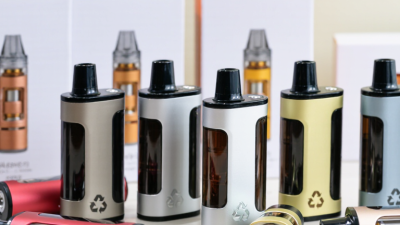
What Is a Disposable Battery Vape for Global Buyers?
A Disposable Battery Vape is a compact vaping device designed for limited, convenient use. It usually combines a prefilled liquid chamber, a heating element, an airflow path, and a built-in battery. For global buyers, understanding these parts is more important than judging a product by its small size or attractive packaging. A sealed device may look simple, yet its battery quality, liquid information, charging design, and disposal instructions require careful review.
This article examines how international buyers can evaluate a Disposable Battery Vape through practical and responsible criteria. Product specifications should identify battery capacity, approximate usage, materials, batch details, and manufacturer information. Independent testing can provide stronger evidence than marketing language alone. Buyers should also confirm age restrictions, labeling rules, import requirements, and recycling obligations in the destination market. Regulations differ widely.
Small details matter. A secure mouthpiece matters. Clear warnings matter. Reliable packaging matters. So does traceability.
Some product descriptions remain incomplete, and buyers cannot always verify every factory claim. That uncertainty deserves attention. A professional purchasing process should request compliance documents, laboratory reports, safety data, and quality-control records before placing an order. It should also consider storage temperatures, shipping conditions, damaged-unit procedures, and end-of-life battery handling. This is not only a commercial decision. It involves consumer safety, environmental responsibility, and supplier accountability. The goal is not to promote unnecessary consumption, but to support informed decisions within applicable laws and recognized safety standards.
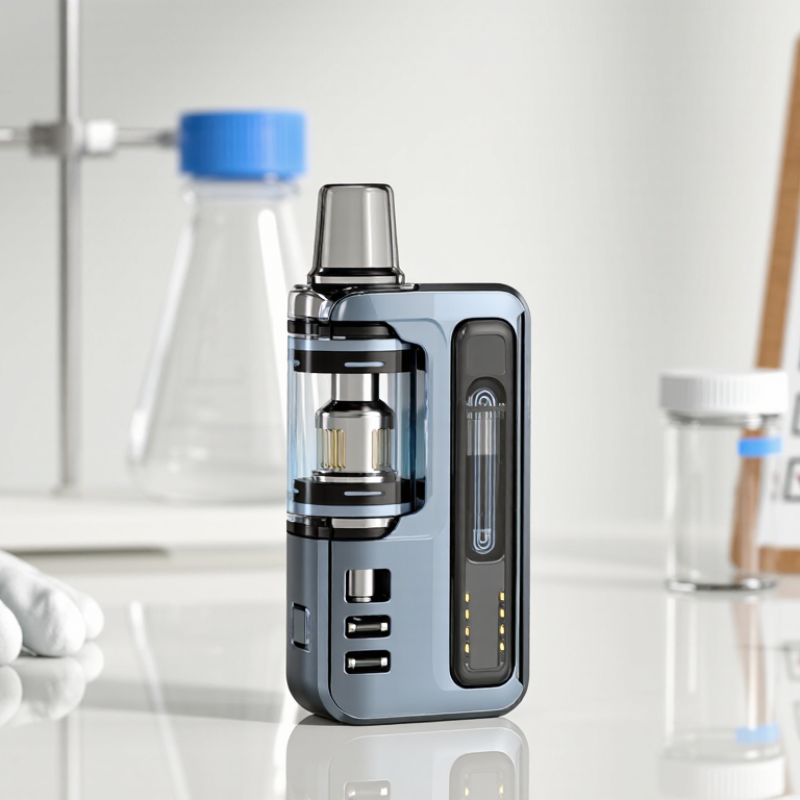
Definition and Core Features of a Disposable Battery Vape
A disposable battery vape is a compact, single-use vaping device with an integrated battery. It usually includes a prefilled liquid chamber, heating element, airflow path, and mouthpiece. Most models activate when the user inhales. No charging cable or refill bottle is required.
Its core feature is convenience, but convenience should not replace product verification. Buyers should check the battery type, liquid volume, ingredient disclosure, production date, and package integrity. Clear labeling supports safer purchasing decisions. A reliable supplier should provide batch information, age controls, and independent quality documentation where required. Legal requirements differ across countries and regions. Import rules, nicotine limits, packaging standards, and disposal duties may also vary.
Tips: Confirm local regulations before ordering or selling. Avoid damaged, leaking, swollen, or unusually warm devices. Store products away from children, pets, and direct sunlight. Use the device only as directed, and never modify its battery or casing. Dispose of it through an approved battery or electronic-waste channel. Small details matter. Not every online listing is equally reliable. Product descriptions may omit important information, and buyers should question unclear claims rather than assume safety.
How a Disposable Battery Vape Works
A disposable battery vape is a compact, pre-filled electronic device designed for legal-age adult users where permitted. It contains a small battery, an e-liquid reservoir, a heating coil, and an airflow channel. Unlike refillable devices, its internal parts are not designed for routine replacement.
Here is how a disposable battery vape works. When the user draws through the mouthpiece, an airflow sensor detects pressure changes. The control circuit then sends power from the battery to the coil. The coil heats the e-liquid held in a wick, creating an aerosol that travels through the mouthpiece. No button is usually required. Simple and quick.
A protective circuit helps manage overheating, excessive current, and unusually long draws. Many devices stop automatically after several seconds. The indicator light may show activation, low battery status, or a fault, although signals differ between products. Buyers should check technical sheets rather than trust appearance alone. Battery capacity, liquid volume, coil resistance, and activation style affect performance.
In practical handling, storage temperature matters. Extreme heat may damage the battery or change the liquid’s condition. Cold conditions can reduce output temporarily. The device should remain sealed until use and kept away from children and animals. It must not be opened, modified, or placed in ordinary household waste. Disposal rules vary by location, and this part is often overlooked. Product labeling can also be less clear than expected. That is a real weakness for global buyers.
Main Components and Available Device Types
A disposable battery vape is a compact, prefilled electronic device designed for limited use. It contains an integrated battery, a heating coil, an e-liquid reservoir, an airflow channel, and a mouthpiece. The battery powers the coil when the user inhales. Heat then turns the liquid into an aerosol.
Small details matter. A sealed reservoir reduces leaks and handling, while a cotton or ceramic wick feeds liquid to the coil. Most models use draw activation, so no button is needed. Some include a small control button for users who prefer direct operation. The category is not perfectly standardized. Claimed puff counts can vary with inhalation length, airflow, and storage conditions.
Available device types differ in shape and function. Compact models fit easily in a pocket and usually offer a fixed airflow setting. Larger versions may provide longer battery capacity or a wider mouthpiece. Some have adjustable airflow, allowing a tighter or more open draw. Others include indicators showing battery status or activation. These features can improve usability, but they also add failure points.
Check the packaging carefully. Look for ingredients, batch information, battery details, and legally required warnings. Regulations differ between countries and may limit nicotine strength, flavors, packaging, or sales channels. Buyers should also confirm disposal rules, because integrated batteries require proper electronic-waste handling. A lower price does not always mean better value. Reliability remains difficult to judge from specifications alone.
| Category | Main Component or Device Type | Typical Technical Characteristics | Primary Function | Global Buyer Considerations |
|---|---|---|---|---|
| Core Component | Lithium-ion Battery | Usually a compact rechargeable or non-rechargeable lithium-based cell; commonly specified by nominal voltage, capacity in mAh, discharge capability, and safety protection. | Supplies power to heat the coil and operate the airflow sensor or control circuit. | Battery transport, labeling, packaging, electrical safety, and recycling obligations vary by destination. Capacity and chemistry should be verified through supplier documentation. |
| Core Component | Heating Coil | Typically made from resistance wire or a metal mesh element. Resistance commonly falls within a low-resistance range suitable for compact low-power devices. | Converts electrical energy into heat to vaporize the e-liquid absorbed by the wick. | Coil material, resistance, heating consistency, and temperature behavior affect vapor output, flavor delivery, and liquid consumption. |
| Core Component | Wicking Material | Commonly uses cotton or another porous, heat-tolerant absorbent material. | Transfers e-liquid from the reservoir to the heating element. | Material purity, liquid absorption, dry-hit resistance, and compatibility with the formulation should be assessed before purchase. |
| Core Component | E-Liquid Reservoir | Usually an integrated sealed pod, cartridge, or internal tank. Capacity is often stated in millilitres and differs significantly by market. | Stores the e-liquid until it is delivered to the coil. | Maximum legal liquid capacity, child-resistant requirements, leakage performance, and labeling rules may differ between countries and regions. |
| Core Component | E-Liquid Formulation | May contain propylene glycol, vegetable glycerin, flavouring substances, and optional nicotine in freebase or salt form. | Provides the aerosol-forming liquid and desired sensory characteristics. | Ingredient restrictions, nicotine limits, health warnings, product registration, and flavour rules must be checked for each target market. |
| Core Component | Airflow Sensor | Usually a pressure or airflow-activated sensor that detects inhalation without requiring a manual power button. | Triggers the control circuit when the user inhales. | Sensor sensitivity, false activation resistance, sealing quality, and performance at different temperatures are important for reliability. |
| Core Component | Control Circuit and Protection System | May include a small controller, switch, LED indicator, over-discharge protection, short-circuit protection, and over-current protection. | Regulates operation and helps protect the battery and user during normal use. | Request electrical test reports and protection specifications. Compliance evidence should be appropriate for the destination market. |
| Core Component | Mouthpiece | Integrated mouthpiece generally produced from a food-contact-suitable polymer or another approved material. | Directs the aerosol to the user and helps define the draw comfort. | Material safety, smooth finishing, ergonomic design, hygiene controls, and tamper-evident packaging may affect buyer acceptance. |
| Core Component | Outer Housing | Commonly made from aluminium alloy, stainless steel, or injection-moulded polymer. | Protects internal parts and provides the device structure. | Impact resistance, heat management, surface finish, recyclability, and restrictions on materials should be reviewed. |
| Device Type | Non-Rechargeable Disposable | Pre-filled and intended to be discarded after the battery or e-liquid is depleted; normally activated by inhalation. | Provides a simple, ready-to-use format with no charging or refilling process. | Battery waste, e-waste collection, nicotine rules, packaging obligations, and restrictions on single-use products are key market-entry issues. |
| Device Type | Rechargeable Disposable-Style Device | Pre-filled and generally non-refillable, but equipped with a charging port to extend use until the e-liquid is depleted. | Allows the internal battery to be recharged while retaining a sealed liquid system. | Charging safety, port protection, cable requirements, battery testing, and end-of-life disposal should be evaluated. |
| Device Type | High-Capacity Disposable-Style Device | Uses a larger internal e-liquid reservoir and often a higher-capacity battery; may include adjustable airflow or a display. | Offers a longer operating period before disposal or replacement. | Large liquid volumes, puff-count claims, display functions, and battery capacity may trigger additional regulatory scrutiny or market restrictions. |
| Device Type | Pre-Filled Pod Device | Uses a removable or replaceable sealed pod containing e-liquid and a compact rechargeable battery section. | Separates the power unit from the pre-filled consumable. | Buyers should verify pod compatibility, leak resistance, electrical contacts, waste handling, and whether replacement pods are legally permitted. |
| Device Type | Draw-Activated Device | Operates when the user inhales; typically has no manual firing button. | Simplifies operation and reduces the number of external controls. | Activation reliability, airflow calibration, auto-firing prevention, and storage performance should be tested. |
| Device Type | Button-Activated Device | Uses a manual button to control heating, sometimes combined with an airflow sensor. | Provides direct control over the heating cycle. | Button durability, accidental activation prevention, child-safety requirements, and user-interface rules may be relevant. |
| Performance Metric | Battery Capacity | Measured in milliampere-hours (mAh); actual operating time depends on coil resistance, power output, draw duration, and battery condition. | Indicates the approximate electrical charge available to the device. | Capacity should be supported by test records rather than inferred from advertised puff counts. |
| Performance Metric | E-Liquid Capacity | Measured in millilitres (mL); the usable amount may be lower than the nominal internal volume. | Indicates the approximate quantity of formulation available for vaporization. | Legal limits and required declarations differ by jurisdiction. Avoid using a single global capacity specification without market verification. |
| Performance Metric | Puff Count | An estimate influenced by draw duration, airflow, power level, coil design, e-liquid viscosity, and testing methodology. | Provides a comparative indication of expected usage rather than a guaranteed result. | Claims should be based on a documented, repeatable test method and presented in accordance with local advertising rules. |
| Quality and Compliance | Packaging and Product Information | May include ingredient information, nicotine concentration, batch identification, warnings, disposal information, and age restrictions. | Communicates safe-use, traceability, and regulatory information. | Translation accuracy, language requirements, warning symbols, barcode rules, tamper evidence, and packaging waste obligations should be confirmed per market. |
Battery Capacity, E-Liquid Supply, and Usage Limits
What Is a Disposable Battery Vape for Global Buyers?
A disposable battery vape combines a prefilled e-liquid chamber with a built-in battery. It is designed for limited use, then discarded according to local waste rules. Battery capacity is often measured in milliampere-hours, or mAh. A higher rating may support longer operation, but it does not guarantee better performance. Airflow, heating efficiency, storage temperature, and user habits also affect battery life.
E-liquid supply is usually shown in millilitres. More liquid can provide more draws, but advertised puff counts are estimates. A person taking long, frequent inhalations may finish the device sooner. Usage limits can also come from local regulations, product safety instructions, or age restrictions. Global buyers should check the destination country’s rules before purchasing or importing any vaping product. Regulations may differ between nearby markets. That detail is easy to overlook.
Tips: Check the battery and liquid specifications together. Do not judge capacity from puff numbers alone. Keep the device away from heat, moisture, and children. Stop using it if the casing becomes damaged, unusually hot, or swollen. Ask the seller about recycling options, because built-in batteries should not enter ordinary household waste. In practice, labels are not always perfectly consistent, so compare verified product information carefully.
What Is a Disposable Battery Vape for Global Buyers?
Battery Capacity, E-Liquid Supply, and Usage Limits
The chart compares common disposable-vape specifications by product format. Small TPD-style devices typically contain up to 2 mL of e-liquid and provide about 500–800 puffs, while larger non-TPD-format devices may contain more liquid and offer several thousand estimated puffs. Actual usage depends on puff duration, airflow, battery performance, and local regulations. E-liquid volume and nicotine limits vary by market; for example, the EU and UK generally limit nicotine e-liquid to 20 mg/mL and closed-system tanks to 2 mL.
Safety, Environmental Impact, and Global Purchasing Factors
A disposable battery vape is a pre-filled, single-use electronic device with an integrated lithium battery. Global buyers should assess safety before price. The World Health Organization states that e-cigarette emissions may contain nicotine, toxic substances, and harmful particles. Product quality can vary across suppliers. Weak seals, damaged batteries, or unclear liquid labeling create avoidable risks. Independent laboratory testing matters.
Environmental costs are easy to underestimate. The Global E-waste Monitor 2024 reported 62 billion kilograms of electronic waste in 2022, but only 22.3% was formally collected and recycled. In the United Kingdom, Material Focus estimated that about five million disposable vapes were discarded weekly in 2023. Each unit may contain plastic, electronic components, and a battery. Recycling claims can sound cleaner than they are. Recovery systems remain inconsistent between countries.
Tips: Request batch-level testing, ingredient disclosure, battery transport documents, and clear disposal instructions. Check whether the supplier supports local collection systems. Confirm age controls and destination-market requirements before purchasing. Regulations change quickly, so written compliance evidence is safer than verbal assurances. I would also inspect packaging for heat damage, leakage, or missing warnings. A low unit price may hide disposal fees, rejected shipments, or quality failures. Global buyers need better data here; many environmental estimates still depend on self-reported sales.
Related Posts
-
10 Best Disposable Battery Vape Options for Global Buyers?
-
Top 10 Disposable Battery Vape Options for Global Buyers
-
How to Source Compliant Disposable Vape Products in 2026?
-

How to Source Compliant Cigarette Vape Products in 2026?
-

Envisioning Tomorrow: The Evolution of the Best Disposable Vape Experience
-
The Definitive Ultimate Guide to Disposable Cartridge Vapes: Everything You Need to Know